Furangels only lent.
RIP my gorgeous Sooti, taken from us far too young, we miss your beautiful face and purssonality,take care of Ash for us, love you xx000❤️❤️
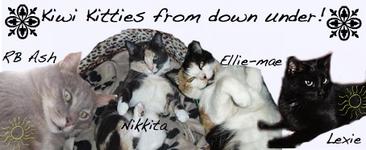
RIP my beautiful Ash,your pawprints are forever in my heart, love and miss you so much my big boy.
❤️❤️
RIP my sweet gorgeous girl Ellie-Mae, a little battler to the end, you will never ever be forgotten, your little soul is forever in my heart, my thoughts, my memories, my love for you will never die, Love you my darling little precious girl.❤️❤️
RIP our sweet Nikita taken suddenly ,way too soon ,you were a special girl we loved you so much ,miss you ❤️❤️
RIP my beautiful Lexie, 15 years of unconditional love you gave us, we loved you so much, and miss you more than words can say.❤️❤️
RIP beautiful Evee Ray Skye ,my life will never be the same with out you ,I loved you so much, I will never forget you ,miss you my darling .❤️❤️



 Reply With Quote



 Huney, Bon & Simba-missed so very much



Bookmarks