THE RAINBOW BRIDGE FOUND HOTEL ANGELS HAVE A NEW FRIEND IN CORINNA.


ALMOND ROCCA BATON AND ELLIE ANGELS ARE GUARDIANS TO ETERNAL KITTENS ROCC-EL AND T TEEN ANGEL, ALMOND ROCA , VLAD , PAWLEE , SPRITE. LITTLE HEX, OSIRIS AND ANNIE ANGELS.
EBONY BEAU TUBSTER AND PEACHES BW SPIKE & SMOKEY

NOW PRECIOUS AND SAM ARE TOGETHER WITH ETERNAL KITTENS SAMMY ,PRESLEY, SYLVESTER AND SCRATCHY JR , MIGHTY MARINA, COSMIC CARMEN, SAMSON ,UNDER KITTY AND SUNKIST AUTUMN & PUMPKIN.
MIA AND ORANGE BLOSSOM ANGELS HAVE ADOPTED TUXIE , TROOPER , SONGBIRD AND LITTLE BITTY KITTIES MIA-MI BLOSSOMER, TUXEDO AND DASH AS THIER ETERNAL KITTENS.
PRINCESS JOSEPH AND MICHAEL ARE CELEBRATING 19 YEARS AS LUCKY FOUND CATS



 Reply With Quote


 ) the damage caused to the heart, liver, kidneys from bacteria in the bloodstream from bad teeth, FAR outweigh the very slight risk of a dentistry done by a licensed vet.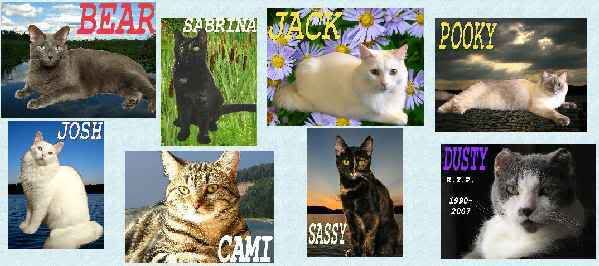
 RIP Sabrina June 16 2011
 AND JOHN HANCOCK
  , AND THEY ARE NOW ESSENTIALLY TOOTHLESS , AND DOING VERY WELL. THATS SAD ABOUT THAT POOR CAT WHO DIED AFTER THE PROCEDURE. BUT I WOULD THINK THAT THATS RARE.





Bookmarks