


Iran
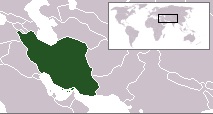
Iran is another nation in the northern hemisphere with a school year similar to European countries. Students in Iran go to school for 10 months a year, or about 200 active days, from September to June. The average number of students per classroom is 27. From ages 5 to 18, boys and girls are educated separately. Girls typically have female teachers, while boys are taught by men. Religious study in Iran is required. Men and women do study together at the university level–by 2006, over half of all university students in Iran were women.
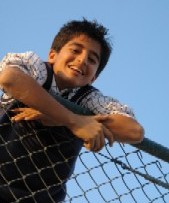
Beginning at age 5, all students must pass a yearly exam in order to move to the next grade level. Students in primary school learn about hygiene, basic math and science, reading, and study skills. Because many schools are in remote areas or do not have the money for such things as libraries, resourcefulness is necessary. For example, mobile libraries trundle across Iran to bring books to more than 4,000 children in 40 different schools. Each bus has two librarians and around 3,000 books. Students tend to get very excited when they hear the engine of the library bus coming their way.
Japan
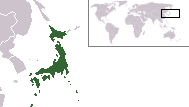
Most Japanese schools run on a trimester schedule. The academic year begins in April and ends the following March, with breaks for summer, winter and spring separating the three terms. Uniforms are required and there are extensive rules for hair styles, shoes, socks, skirt length, make-up, accessories, and more.

In each classroom, the average number of students is 29 with five or six computers to share between them. Students in Japan study academic subjects, such as Japanese language, math, reading, social studies, music, and art, and they also receive moral education. Moral education involves teaching students about health and safety, living a disciplined life, courtesy, understanding and confidence, public manners, and environmental awareness.
Kenya
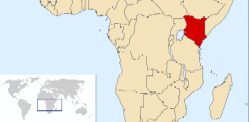
The school year in this southern-hemisphere nation is divided into three terms, each 13 weeks long, with one-month breaks in between. School days are from 8 a.m. to 4 p.m. Uniforms are mandatory in government-run schools. Most classrooms have about thirty students in them.
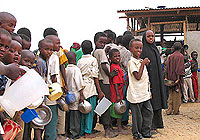
Many schools provide lunch. Because Kenya is experiencing severe economic and environmental hardships, some students save all or part of their lunch to share with their families. Students study the Kiswahili language, English, math, science, music, history, civics, and geography, and receive religious instruction.
Mexico


 Reply With Quote
Bookmarks